

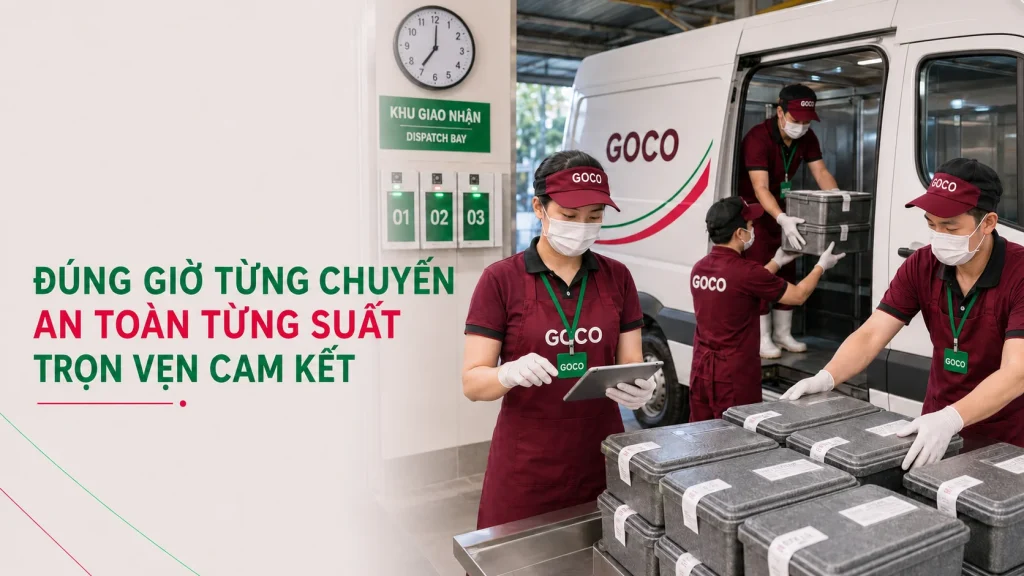
Delivery connects the quality achieved in the kitchen with the actual experience of the people receiving the meals.
- Plan Around the Serving Time
- Check Before Departure
- Confirm at the Delivery Point
- Handle Incidents and Improve Routes
Plan Around the Serving Time
Routes should be built backward from the required serving time, considering food completion, loading, travel, site access and receiving procedures. A short route is not always the most reliable route.
Plans should include contact persons and alternatives for traffic, vehicle or access problems.
Check Before Departure
Before loading, teams should confirm destination, quantity, labels, containers, holding condition and supporting documents. The loading order should match the route to reduce handling time.
Vehicle cleanliness and readiness should be checked before food leaves the controlled kitchen environment.
Confirm at the Delivery Point
The receiving team should verify quantity, condition and arrival time immediately. Any issue needs to be recorded while the facts are still clear.
Clear handover responsibility reduces disputes and ensures that meals move quickly into the next holding or serving stage.
Handle Incidents and Improve Routes
Delays, rejected packages, access problems and quantity differences should be analyzed rather than treated as isolated events. Data can reveal repeated bottlenecks by route or time.
Route plans, dispatch times and communication steps can then be adjusted for more reliable service.
Key Takeaways
- Plan routes from required serving times
- Verify quantities and destinations before loading
- Confirm delivery at the receiving point
- Use incident data to improve routes
Looking for a solution that fits your operation?
GOCO VINA supports clients from needs assessment and menu development to daily operations and quality control. Talk to our team to identify an approach that matches your scale, workforce and budget.
Request a catering consultation · Explore GOCO VINA services