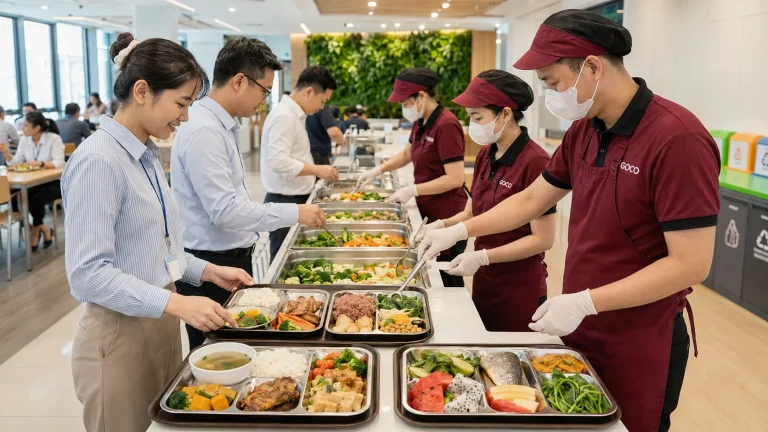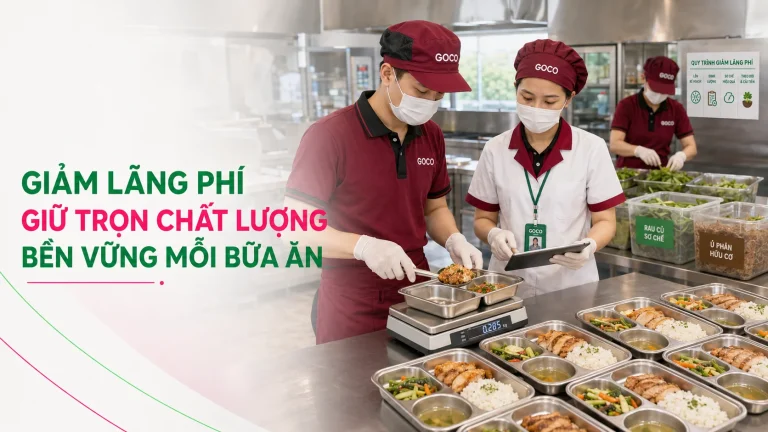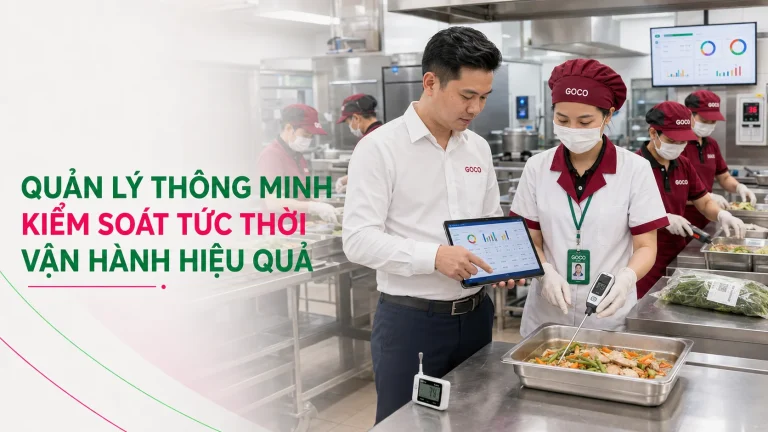


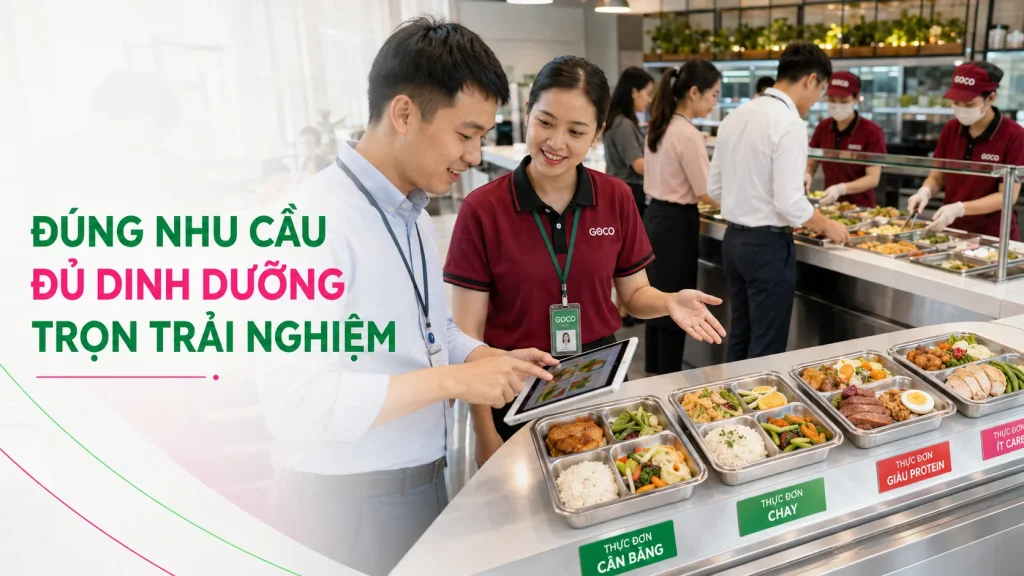
Personalization does not mean offering unlimited choices; it means creating sensible menu groups based on real user data.
- Start with Reliable User Data
- Design Options for Groups, Not Individuals
- Balance Experience and Budget
- Measure and Improve Continuously
Start with Reliable User Data
Every workplace has a different employee profile, work schedule and eating culture. A single menu model applied everywhere may therefore produce inconsistent satisfaction. Effective personalization begins with understanding who uses the meal service, how they work and which issues appear most often in feedback.
Useful data may come from short surveys, leftovers, dish-change requests and comments at the serving line. The system does not need to be complex; consistent collection and basic segmentation by user group are often enough to support better decisions.
Design Options for Groups, Not Individuals
A practical approach is to create defined groups such as a standard meal, a lighter option, a scheduled vegetarian meal or a higher-energy option for physically demanding work. This gives employees meaningful choice while keeping kitchen processes manageable.
The options should share part of the same ingredient base to avoid unnecessary stock. The same vegetables, for example, may be prepared as a stir-fry, steamed side or salad depending on the menu group.
Balance Experience and Budget
Personalization can increase cost when too many dishes are produced at the same time. Companies should set clear limits for the number of options, advance registration and order cut-off times. Special meals are most efficient when demand is stable enough to plan accurately.
Pricing and portion standards should be transparent from the beginning. Any menu change needs to consider ingredients, labor, equipment capacity and serving speed rather than food cost alone.
Measure and Improve Continuously
Each menu cycle can be reviewed using a small set of indicators: selection rate by option, satisfaction, waste and waiting time. Low-use choices can then be replaced with alternatives that better match employee needs.
Personalization works best as a controlled learning process. Small, regular improvements usually deliver better results than changing the entire system at once.
Key Takeaways
- Survey user groups and work shifts
- Limit options to protect operating efficiency
- Use common base ingredients across menu choices
- Track selection rates and waste after each cycle
Looking for a solution that fits your operation?
GOCO VINA supports clients from needs assessment and menu development to daily operations and quality control. Talk to our team to identify an approach that matches your scale, workforce and budget.
Request a catering consultation · Explore GOCO VINA services